


Kick the Buddy: Second Kick
4.376.68K Reviews
App Specs
- Version
- 1.14.1528
- Updated On
- License
- Free
- Downloads
- 100,000,000+
- Developer
- Playgendary Limited
- Categories
- Action
- Platform
- Android, iOS
Screenshots
 Analysis by AppCompare
When I have a few spare minutes and want something silly rather than demanding, Kick the Buddy: Second Kick is the kind of action game I can open without settling in for a long session. Its ragdoll premise makes the appeal immediate: experiment with cartoonish chaos, watch the reactions, then put the phone down. I find it best approached as a toy for brief breaks, not a game that promises a deep campaign or a competitive challenge.
What the purchase details mean in practice
The game is free to download, while optional in-app purchases range from $0.99 to $84.99 per item. That wide spread is worth noticing before you start: a free install does not mean every possible purchase is equally small. I would treat spending as a choice to consider carefully, not as an automatic part of playing. The game is rated Teen, which is useful context for anyone deciding whether it suits a younger player, though the age label should not replace a parent’s own judgement about cartoon violence and spending.
Playgendary Limited developed the game, which sits in the action category. Its audience is substantial: it has over 100 million installs, with an average rating of 4.4 from around 1.1 million ratings and roughly 77,000 written reviews. Those figures suggest plenty of people have tried it, but they do not tell me whether its style will click with you. The current version is 1.14.1523, and it runs on Android 7.0 or later.
Progress without a clear finish line
My most useful way to think about the play loop is as casual experimentation rather than a traditional climb through a story. The enjoyment comes from choosing a tool, seeing what happens, and switching things up when a gag has run its course. That makes it easy to return for a short session, but it also means players who want a strong narrative, a carefully balanced skill ladder, or a definite ending may find the experience thin.
The published article describes earning in-game currency through tasks and challenges, as well as unlocking weapons and changing the buddy’s outfit. Those systems can give a returning player small goals, but I would not treat them as proof that every item is quickly reachable without paying. If progress starts to feel like a reason to spend rather than a bonus for playing, pause before buying: decide what you actually want from the game and whether the free loop already provides it.
Fairness, expectations, and trust
This is not the kind of action game I would choose for a fair head-to-head contest. Its appeal is personal play with a ragdoll, rather than testing skill against another player, so competitive balance is not the main measure I would use. The more relevant question is whether the basic amusement is satisfying before spending. I’d try the free experience first and only consider a purchase if I understood what that specific item adds and felt comfortable with its cost.
There are practical limits, too. The humor depends on slapstick violence, and the simple interaction may lose its novelty for someone who wants precise controls or more strategic decisions. I also wouldn’t recommend it as a distraction for every setting: sound effects may be awkward in a quiet place, and a game built around quick bursts can still stretch a break if you keep chasing one more unlock.
Worth Reading Before You Choose

Flipboard Shows What News Apps Must Do Beyond the Feed

Switching to Android Auto Means Rethinking Your Driving Routine

Google Calendar Makes a Crowded Week Easier to Manage

Ludo King Makes the Most of the Minutes Between Plans

Baby Panda World Brings Quick Play to Modern Phones, but Its Game Library Feels Busy

ESPN’s Live Game View Makes Following Close Games Easier
Getting Started with a Bang
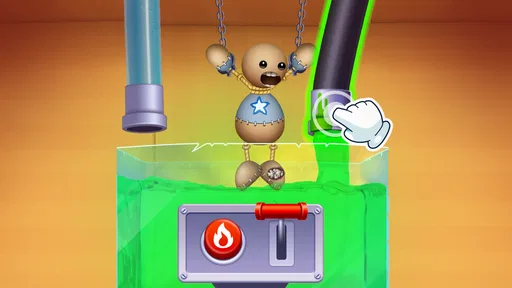
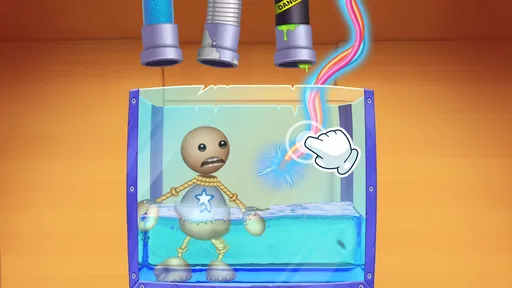
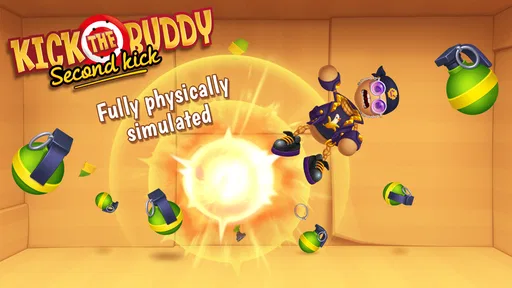
Once you dive into Kick the Buddy: Second Kick, you’re greeted by a cheerful little ragdoll buddy who's more than happy to take one for the team—literally. The game’s premise is simple: you get to use a variety of weapons and tools to bash, smash, and blow up your buddy. It’s like a digital stress ball, but with way more options and a lot more humor.
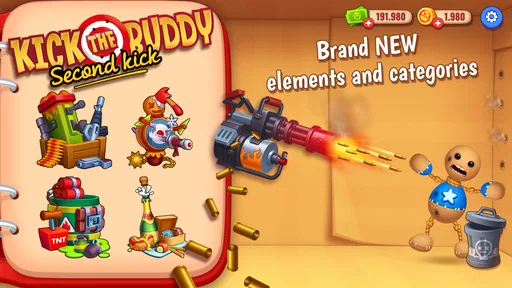
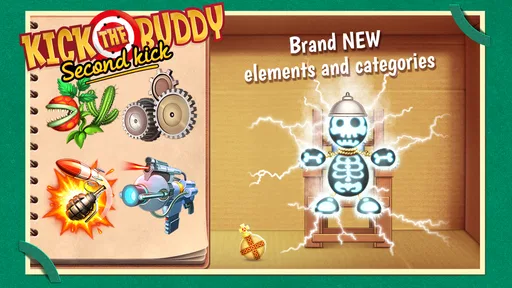
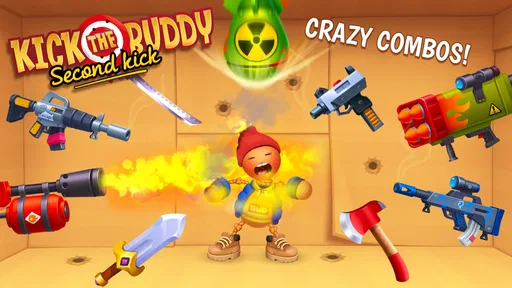
The interface is straightforward, making it easy to navigate through the arsenal of weapons. Whether you’re in the mood for a baseball bat, a flamethrower, or even a dinosaur, the game’s got you covered. And yes, you read that right—a dinosaur! The sheer variety of tools at your disposal is one of the game’s biggest draws.
Gameplay and Features
The gameplay is as simple as tapping and swiping. You can drag your buddy around the screen, launch him into walls, or drop heavy objects on him. The more you play, the more weapons you unlock. It’s satisfying to watch your buddy react in over-the-top ways to your antics, and the game’s lighthearted tone keeps things from getting too intense.
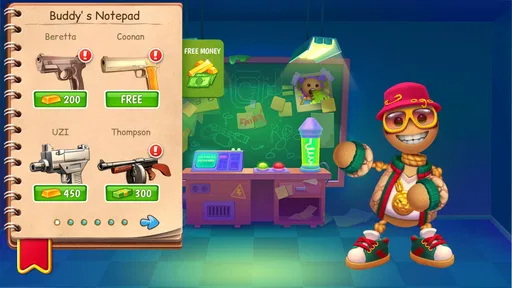
Another feature worth mentioning is the customization. You can deck out your buddy in different outfits, adding a personal touch to your destructive escapades. The game also offers in-app purchases, but they’re not necessary to enjoy the full experience. You can earn in-game currency by completing tasks and challenges, which keeps things fresh and rewarding.
Why It’s a Hit
The charm of Kick the Buddy: Second Kick lies in its ability to entertain without demanding too much from the player. It’s the perfect game to pick up for a few minutes here and there, whether you’re waiting in line or taking a break from work. It’s a game that doesn’t take itself too seriously, which is refreshing in today’s gaming landscape.
One of the things I love most about this game is its graphics. They’re vibrant and cartoonish, which adds to the whimsical feel. The sound effects are another highlight, with each thud and explosion adding to the hilarity. It’s like having a mini action movie in your pocket.
Choosing the right kind of break
In an ordinary day, I can imagine opening it while waiting for a coffee or during a short gap between chores. I’d pick one or two tools, try a couple of interactions, and stop when the joke lands. That is a better fit than starting it when I need a quiet, uninterrupted activity: the exaggerated impacts are part of the appeal, but they may be distracting around other people. Muting the phone or keeping the session brief can make it easier to use in shared spaces.
A small practical tip is to treat the weapon selection as the main source of variety, rather than trying to make every session more elaborate than the last. Switching from a simple hit to dragging or dropping an object changes the rhythm without requiring a complex plan. If you find yourself repeating the same action, changing the tool or giving yourself a tiny goal—such as testing a newly unlocked item—can make a short visit feel more purposeful.
This also helps set expectations about progress. Unlocks and customization are pleasant extras, but I would not turn them into a checklist that has to be completed. The game works best when I can enjoy the immediate gag without worrying about how quickly I am advancing. If a task feels like a chore, I would leave it for another session rather than let a light diversion become another obligation.
How it compares with other action games
Compared with a platform fighter or an action game built around timed attacks, levels, and demanding controls, this is much less about mastering a system. There is no need to learn a complicated combo just to get a reaction; the attraction is the playful interaction with the ragdoll and the range of things to try. That low barrier is a real strength for casual play, but it also explains why someone seeking a sense of mastery or a dramatic story may prefer a different kind of game.
It also differs from a conventional puzzle game. There is no central logic problem for me to solve before moving on; the pleasure is closer to improvising with a toy than cracking a challenge. If you want structured goals and a clear measure of success, a level-based action or puzzle game will probably feel more satisfying. If you want a quick, low-pressure outlet for curiosity, this one is more in its element.
Who should try it—and who should pass
I’d recommend giving it a look if you enjoy cartoon slapstick, like experimenting with different tools, and want an activity that can be picked up in short bursts. It may also suit someone who appreciates customization but does not need a long story to keep playing. The Teen rating and the deliberately rough comic premise matter, though: anyone uncomfortable with stylized violence should skip it, and adults choosing it for a younger player should decide whether that tone is appropriate for them.
I’d pass if I wanted calm visuals, subtle sound, intricate controls, or a competitive game where improvement is measured against other players. I would also be cautious if optional purchases tend to tempt me into spending more than planned. The listed range runs from $0.99 to $84.99 per item, so I would check the individual purchase and its cost before confirming anything, and use appropriate purchase controls on a shared device.
What I would check before spending
Before buying anything, I’d ask myself a simple question: am I enjoying the free play already, or am I hoping a purchase will fix a loop that does not suit me? If the basic interactions are fun, an optional item may be worth considering on its own terms. If I am bored, paying is unlikely to change the fact that I want deeper goals or a different style of game. The price range alone cannot tell me what a particular item offers, so I would read the purchase prompt carefully instead of assuming that a larger price means a better fit.
There are also a few sensible questions to keep in mind while deciding. Can I enjoy it without paying? The game includes free play and describes earning currency through tasks and challenges, so I would start there. Is it suitable for a quick break? Yes, provided slapstick effects suit the setting and I am willing to stop when my break ends. Is it for competitive play? I would not choose it for that; the appeal is the solo ragdoll sandbox, not a contest. Those are more useful expectations than treating unlocks as a promise of endless variety.
The things I would not infer are just as important for a spending decision. A large audience and a strong average rating do not guarantee that every player will enjoy the humor, and they do not establish how quickly any particular item can be earned. I would base my choice on the actual play I get from the free version and the exact purchase shown in the game, rather than on popularity or assumptions about progression.
Final Thoughts
In the end, Kick the Buddy: Second Kick is a delightful little game that offers a fun escape from the daily grind. It’s not about winning or losing, but rather about enjoying the process of wreaking havoc without any real-world consequences. So, if you need a break from reality and a good laugh, give this app a try. Your buddy is waiting, and he’s ready for whatever you’ve got!
For those interested in giving it a shot, you can find the download links for both Android and iOS on our website. Happy kicking!
Pros
- Engaging and stress-relieving gameplay.
- Wide variety of weapons and items.
- Vibrant graphics and animations.
- Regular updates with new content.
- Easy to pick up and play.
Cons
- Contains frequent ads during gameplay.
- In-app purchases can become expensive.
- May not appeal to all age groups.
- Some items require internet connection.
- Repetitive gameplay may tire some users.
FAQs for Kick the Buddy: Second Kick
What is the main objective of Kick the Buddy: Second Kick?
Kick the Buddy: Second Kick is a stress-relief game where the primary objective is to unleash your creativity and relieve stress by interacting with a customizable ragdoll character named Buddy. You can use a wide variety of weapons and tools to kick, punch, and explode Buddy in countless ways, making it a fun and entertaining experience.
Is Kick the Buddy: Second Kick free to play?
Yes, Kick the Buddy: Second Kick is free to download and play. However, it offers in-app purchases that allow players to unlock additional weapons, tools, and customization options. These purchases can enhance your experience, but they're not necessary to enjoy the core gameplay. Be mindful of in-app purchases if you have spending restrictions.
What are the system requirements for Kick the Buddy: Second Kick?
Kick the Buddy: Second Kick is available on both Android and iOS platforms. For Android, it typically requires Android version 5.0 and up, while iOS users need iOS 9.0 or later. The game is lightweight and doesn’t demand high-end devices, making it accessible on most smartphones and tablets.
Does Kick the Buddy: Second Kick have any age restrictions?
Kick the Buddy: Second Kick is rated for ages 12 and up on both the Google Play Store and the Apple App Store. The game includes cartoon violence, which may not be suitable for younger children. Parents are encouraged to review the game before allowing their children to play and use parental controls if necessary.
Can I play Kick the Buddy: Second Kick offline?
Yes, Kick the Buddy: Second Kick can be played offline, allowing you to enjoy the game without an internet connection. However, certain features like in-app purchases and ads require an internet connection. Playing offline may limit access to some of these features, but the core gameplay remains available.


